

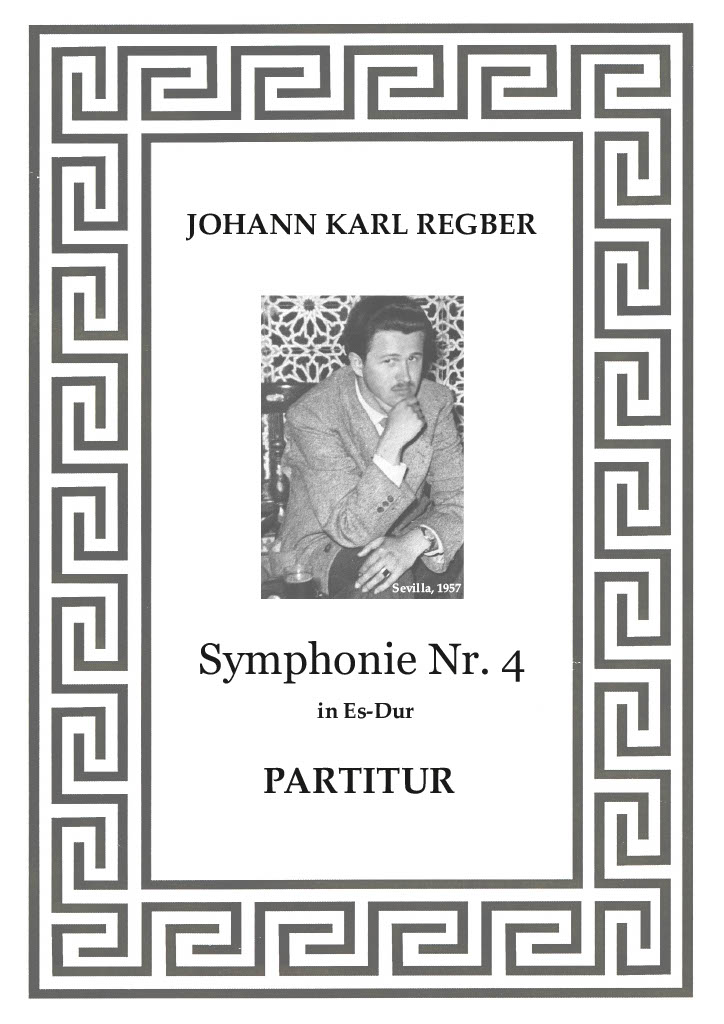
Description
Instrumentation: 2 Fl, 2 Ob, 2 Klar, 2 Fg, 4 Hn, 2 Tp; Timp; Strings
Duration: 36:00
The most important drama “The Son of the Wilderness” by the unjustly forgotten poet Friedrich Halm, the Austrian Kleist, provided the inspiration for the creation of this symphony.
The Greeks had established the city-colony of Marsilia in the region of the predatory Tectosagen. A local blacksmith is kidnapped by the savages in order to extort a ransom. However, as there are no funds available, his daughter offers herself in exchange. In the Tecto sagas, courage is considered the highest virtue. Ingomar therefore commands the chieftain’s respect, which soon develops into love. Having grown up among savages, he had never experienced anything else and believed with the innocence of a predator that his life was the only right one. Now, through her, he encounters the human, the civilized for the first time and gains an inkling of the value of culture. Her influence also causes him to refrain from a planned war campaign against a neighboring tribe. Fellow tribesmen, however, do not want to see a Greek woman rob their chief of his manhood, so they kidnap her to sell her as a slave.
But Ingomar, who wants to free them, kills their ringleader in a fight. As a result, he is expelled from the tribe. She takes him to the Greek city and her father takes him on as an assistant in the blacksmith’s workshop. But her mother, who detests the savage, makes his life miserable. Suspicious movements are noticed among the Tectosages. The town lord therefore asks Ingomar to scout them out and promises him a house in return. But when he refuses to betray his tribe, he banishes him. Emissaries from the Tectosagen then appear and want to find out whether their former chieftain would be treated well in the town; otherwise they threaten to attack. The town lord replies that he has been accepted as a citizen and has even been offered a house. Ingomar wisely conceals the true facts, reassures his fellow tribesmen and thus protects the town. Pardoned for this, he is actually given the house; and the marriage that this makes possible finally turns the son of the wilderness into a civilized Greek.
The composer himself wrote a libretto for this wonderful material and wanted to turn it into an opera. He soon realized, however, that such an undertaking was not his inclination and therefore used recitatives, arias and choruses as the themes of a symphony.
That of the first movement introduces the chieftain, the secondary theme his attempted enticement to betrayal.
Two banishments and their conciliatory ending lend the second movement its mood.
The scherzo is dedicated to the future evil mother-in-law; the first trio represents the naturalization, the second the memory of life in the woods.
The finale, however, was inspired by the wildness of the Tecto sagas and their loving appeasement by the Greek woman with the once famous song “Two Souls and a Thought”, which was given a new setting here. The development, which expands into a symphonic poem, intensifies the contrasts to the extreme; but then humanity wins the day and the son of the wilderness, tamed by love, is transformed into a well-mannered Greek.
This operatic symphony was all the more appropriate for the composer as he himself had been prepared for a similar fate.
Johann Karl Regber